
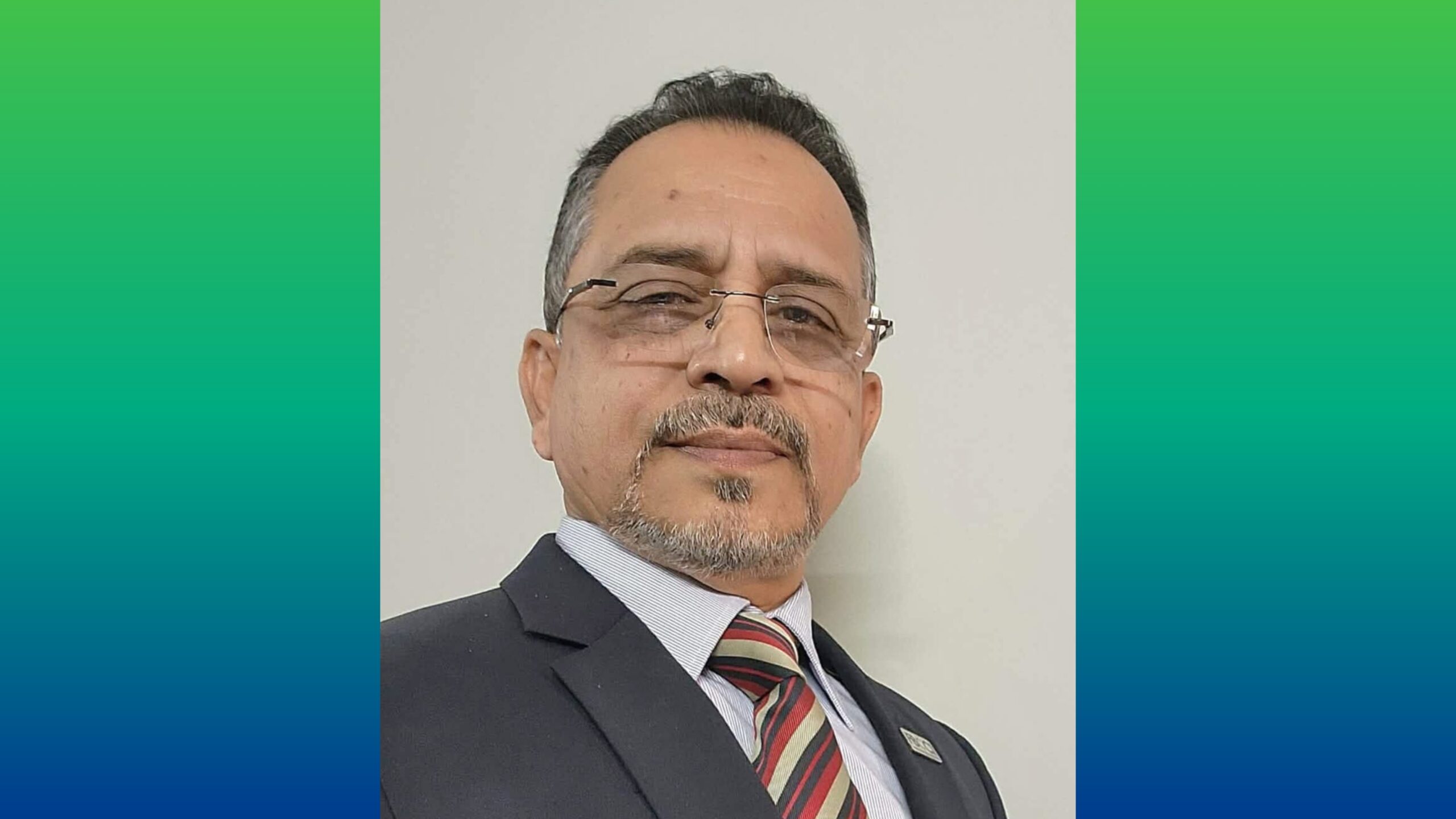
–Abu Murshed Chowdhury Khoka:
The recent heavy monsoon rains have triggered devastating floods and landslides across Cox’s Bazar district, including the Rohingya refugee camps, resulting in significant loss of life and widespread destruction. According to various media reports, approximately 28 people lost their lives, including at least 17 Rohingya refugees. We express our deepest condolences to the families of those who lost their loved ones and stand in solidarity with all those affected by this tragedy.
The Rohingya crisis is no longer a temporary emergency; it has become a prolonged humanitarian reality. Until the Rohingya people are able to return to their homeland voluntarily, safely, and with dignity, ensuring their safety, protection, and access to basic humanitarian services remains a shared responsibility of the Government of Bangladesh, the international community, and all humanitarian stakeholders.
Most Rohingya camps in Cox’s Bazar are situated on hilly and environmentally fragile terrain. Every monsoon season, these settlements face recurring threats of landslides, soil erosion, flooding, and waterlogging. During the dry season, devastating fires have also become a recurring hazard. Year after year, these disasters claim lives, destroy shelters, and deepen humanitarian suffering. This recurring pattern underscores the need to move beyond repeatedly rebuilding temporary shelters and instead invest in safer, more resilient, and better-planned housing solutions.
Plastic-sheet shelters have served an essential purpose during emergency response phases, but they are not designed for long-term habitation. They expose families to serious health risks and leave them highly vulnerable to natural disasters. While the Government of Bangladesh, together with international agencies and donor partners, has undertaken numerous initiatives to reduce disaster risks in the camps, the scale of the challenge requires stronger and more comprehensive efforts. Greater investment in disaster-resilient housing, safer infrastructure, and environmentally sustainable planning is now essential.
Constructive discussion about humanitarian assistance is both legitimate and necessary. However, such discussions should be based on facts, evidence, and a shared commitment to protecting human life. It is also important to recognize that development and infrastructure activities within the refugee camps are implemented in accordance with government policies and with the approval of the relevant authorities. Rather than assigning blame, the priority should be identifying practical solutions that improve the safety and well-being of affected communities.
At the same time, the broader environmental challenges facing Cox’s Bazar deserve equal attention. Unplanned settlements, indiscriminate hill cutting, encroachment on rivers and canals, and poorly planned infrastructure development have significantly increased the district’s vulnerability to flooding and waterlogging. As a result, local communities are also experiencing growing risks to their lives, livelihoods, and property. Addressing disaster risk therefore requires an integrated approach that considers both the refugee camps and the surrounding host communities.
The prompt response of government agencies during emergencies is commendable. However, disaster management should not be limited to post-disaster response alone. The lessons from recent tragedies should inspire long-term, coordinated, and sustainable planning. Investing in disaster-resilient housing, environmental conservation, responsible land-use management, and climate-resilient infrastructure can substantially reduce future risks and strengthen the resilience of both refugee and host communities.
Above all, we must remember a simple but fundamental truth: whether Rohingya refugees or local residents, they are all human beings. Protecting human life, ensuring safety, and preserving human dignity must remain at the heart of every policy, plan, and humanitarian intervention. Let this tragedy serve not only as a reminder of our shared responsibility but also as a catalyst for building safer, more resilient communities across Cox’s Bazar.
Abu Murshed Chowdhury Khoka
Former president, Cox’s Bazar Chamber of Commerce and Industries.
 আমরা সংবিধান ও জনমতের প্রতি শ্রদ্ধাশীল। তাই ধর্ম ও রাষ্ট্রবিরোধী এবং উষ্কানীমূলক কোনো বক্তব্য না করার জন্য পাঠকদের অনুরোধ করা হলো। কর্তৃপক্ষ যেকোনো ধরণের আপত্তিকর মন্তব্য মডারেশনের ক্ষমতা রাখেন।